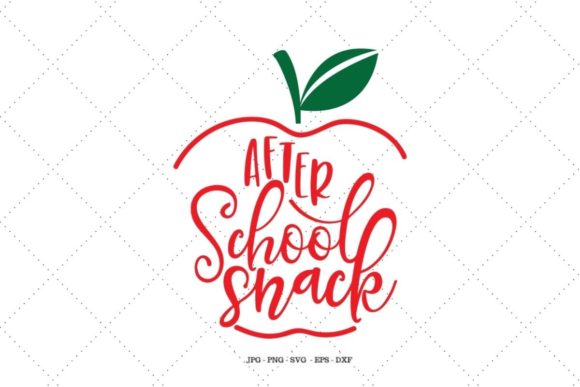
A Designer's Review of the Teacher Snack Embroidery Gift
When a client asked me to create a heartfelt, handmade end-of-year gift for her child’s teacher, I knew it had to feel personal and professional. The ‘Gift for Teacher - After School Snack’ design immediately caught my eye. As a designer who works with real projects daily, my first question isn’t just if a design is cute—it’s whether it will translate beautifully from screen to stitches, and ultimately, into a product a customer will love.
The First Impression: Warm, Playful, and Instantly Relatable
This design’s mood is its strongest asset. The playful snack theme paired with the ‘gift for teacher’ message creates an immediate emotional connection. It feels warm, appreciative, and slightly whimsical—not overly formal or sentimental. The layout suggests a balanced composition, likely with a central illustrative element and clean lettering. This visual personality is perfect for a handmade gift because it avoids cliché; it’s specific and thoughtful. My designer instinct tells me this belongs on items meant for genuine presentation: a custom tote bag, a cozy sweatshirt, a kitchen towel, or a framed patch. It doesn’t scream ‘holiday,’ but rather ‘everyday gratitude,’ which expands its use beyond just the last day of school.
Real-World Embroidery: Where This Design Thrives
In practical application, this embroidery file would shine on mid-to-large scale projects. Imagine it on a canvas tote bag—the sturdy fabric would handle the stitch density well, and the bag becomes a functional, cherished keepsake. On a high-quality sweatshirt, it becomes a boutique-level gift. For baby items or nursery decor, it’s less ideal unless adapted, as the theme is more teacher-centric.
The design’s clarity is crucial. For a real project, like embroidering a set of tea towels for a teacher gift bundle, the details need to stitch out cleanly. I’d assess the lettering carefully: is it bold enough to read after stitching on textured linen? Are the illustrative elements simple enough to avoid satin stitch crowding? This is where testing on scrap fabric is non-negotiable. For commercial embroidery projects or small business merchandise—say, an Etsy seller offering personalized teacher aprons—this design adds value because it’s niche-specific and feels exclusive, boosting customer trust in your handmade presentation.
The Careful Considerations: Fabric, Scale, and Longevity
Not every project is a perfect fit. I’d use this design carefully on very small hoop sizes. Tiny details on a cap’s curved surface might lose definition. On thin or stretchy fabrics like t-shirts, a robust stabilizer would be essential to prevent puckering, especially if the design has dense fill stitch areas. Dark fabric backgrounds require a thoughtful thread color palette choice—testing in a black and white mockup first can reveal contrast issues.
Products needing frequent washing, like aprons or kitchen towels, demand a robust stitch structure. I’d review the stitch density in the file to ensure it’s not too sparse, which could wear quickly, or too dense, which could stiffen the fabric. The giftability of the final product hinges on this durability; a frayed, puckered design after a few washes undermines the ‘extraordinary’ handmade message the design intends to convey.
Turning a Digital File into a Tangible Business Asset
For craft business owners and digital product sellers, this graphics file is more than a craft; it’s a commercial design asset. Its clear theme makes it excellent for printable mockups in online listings, showing potential buyers exactly how it could look on a finished product. It supports brand consistency for shops specializing in educator or gratitude-themed products.
However, the critical step is always confirming licensing. Before selling any finished items—embroidered pillow covers, patches, or holiday gifts—or even the digital embroidery file itself, you must verify the license terms. Can it be used for commercial embroidery? Does it require attribution? Never assume. This practical step protects your business and your customer’s trust.
The Designer’s Practical Checklist Before Hooping
My process for a design like this is always methodical. First, I run a test on scrap fabric similar to my final product fabric—perhaps a twill for a tote or a cotton blend for a sweatshirt. I check thread color contrast against both light and dark backgrounds. I inspect small details, like any decorative accents or tiny lettering, to ensure they’ll stitch cleanly in my chosen hoop size. I consider the fabric texture; a rough canvas might simplify some details, which could be a benefit. Finally, I think about the end-user: will a teacher recognize and appreciate this? Does it feel professional yet personal? The answer here seems yes, which makes it a worthwhile embroidery project.
In essence, ‘Gift for Teacher - After School Snack’ is a design with strong emotional intelligence. It understands its purpose. For the maker, it provides a clear, themed blueprint for a meaningful handmade product. For the embroidery designer or small shop owner, it offers a versatile asset for creating valued gifts and merchandise, provided you apply real-world embroidery wisdom and respect the practicalities of fabric, stitch, and license. That’s where the true extraordinary effort lies.